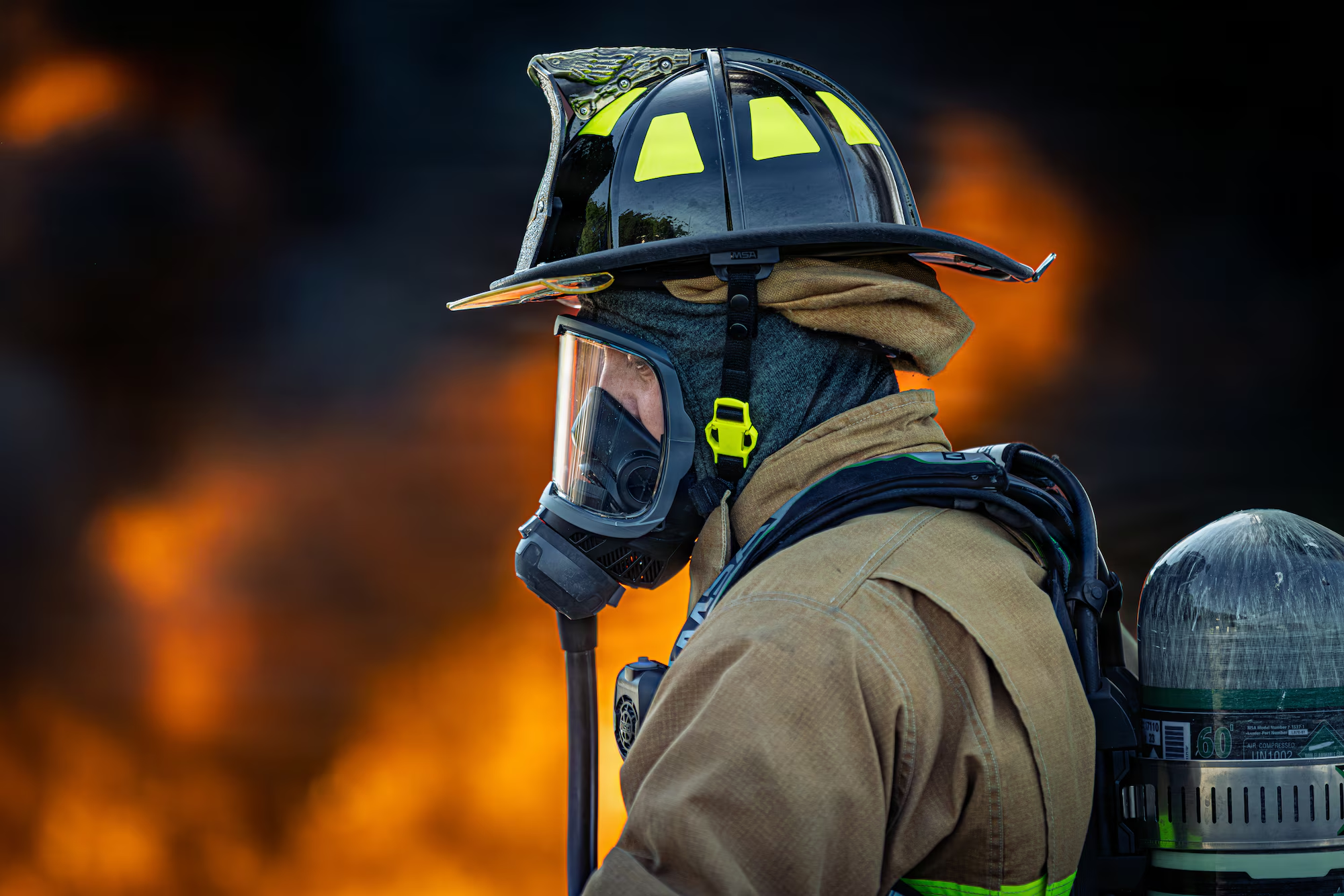
Colorado Fires Today-Fast-Moving Wildfires Spark Evacuations and Emergency Response Across the State
Wildfires across Colorado have prompted widespread concern as fast-moving flames, driven by dry conditions and shifting winds, force emergency evacuations and stretch firefighting resources. Authorities across multiple counties are responding to rapidly evolving fire zones, with residents urged to stay alert and follow official evacuation orders without delay.
Rapid Fire Spread Driven by Dry Conditions
Fire officials report that a combination of high temperatures, low humidity, and persistent drought conditions have created an environment highly conducive to wildfire ignition and rapid spread. In several areas, gusty winds have further intensified fire behavior, pushing flames across grasslands, forests, and rural communities at unpredictable speeds.
These conditions are not unusual for Colorado’s fire season, but officials note that the intensity and frequency of fire activity have increased in recent years. As vegetation dries out earlier in the season, the window for high-risk wildfire conditions continues to expand.
Evacuations and Community Impact
Evacuation orders have been issued in multiple regions as fires encroach on residential areas. Local authorities have set up emergency shelters to accommodate displaced families, while law enforcement and fire crews coordinate door-to-door evacuation efforts in higher-risk zones.
Residents have described scenes of rapidly changing skies filled with smoke and ash, reduced visibility on major roads, and the sound of aircraft overhead as aerial firefighting units drop water and fire retardant on active fire lines.
In some communities, evacuation warnings have escalated to mandatory orders within hours, highlighting the unpredictable nature of wildfire movement under strong wind conditions. Officials continue to urge residents not to wait for direct contact if evacuation alerts are issued.
Emergency Response Efforts
Firefighters from local departments, state agencies, and mutual aid partners are working in coordinated efforts to contain the blazes. Air tankers, helicopters, and ground crews are all being deployed to slow fire spread and protect critical infrastructure.
Containment efforts are often focused on establishing firebreaks, protecting structures, and preventing flames from reaching densely populated areas. However, steep terrain and shifting wind patterns in parts of Colorado make firefighting operations particularly challenging.
Emergency management teams are also monitoring power lines, road closures, and potential hazards caused by falling debris and smoke conditions. In some areas, utility companies have implemented precautionary shutoffs to reduce the risk of fire ignition from electrical equipment.
Public Safety and Ongoing Warnings
Officials continue to emphasize the importance of preparedness, urging residents in fire-prone areas to have evacuation plans ready and emergency kits prepared. Air quality warnings have also been issued in several regions due to heavy smoke, which can pose health risks even for those far from active fire zones.
Authorities stress that wildfire conditions can change quickly, and residents should rely on official updates rather than attempting to return to evacuated areas prematurely.
Outlook
While firefighting teams are working around the clock to gain containment, weather conditions remain a key factor in how the situation develops. Forecasts indicating continued dry and windy weather may prolong fire activity in some regions.
For now, Colorado remains on high alert as crews battle multiple active fire zones, with the priority centered on protecting lives, property, and critical infrastructure as the situation continues to unfold.