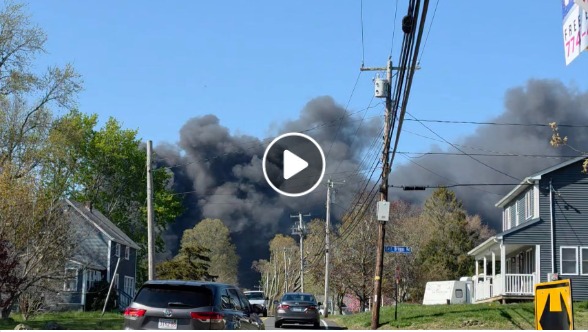
Colorado Fires Today – Over 160,000 Acres Scorched as Aspen Acres & Willow Fires Raging
A rapidly escalating wildfire situation in Colorado has burned through more than 160,000 acres as the Aspen Acres and Willow Fires continue to spread across dry, wind-swept terrain. Fire crews are battling multiple active fronts as extreme heat, low humidity, and persistent gusty winds fuel what officials describe as a fast-moving and highly unpredictable fire complex.
Rapid expansion across multiple fire zones
The Aspen Acres Fire, which ignited in a heavily forested region, has become one of the most destructive of the current outbreak, consuming large sections of timberland and moving toward scattered rural communities. At the same time, the Willow Fire has expanded across grasslands and mixed vegetation, creating a second major front that has stretched firefighting resources.
Officials report that the combined fire activity has created overlapping smoke plumes visible for miles, with satellite imagery showing a widening burn scar that continues to grow as conditions remain dry. The scale of the incident has placed significant pressure on regional emergency coordination teams, who are managing evacuations, containment lines, and air support simultaneously.
Evacuations and community disruption
Mandatory evacuation orders have been issued in several counties affected by the advancing flames. Residents in high-risk zones have been instructed to leave immediately as fire behavior remains unpredictable, particularly during afternoon wind shifts that can rapidly change the direction of spread.
Temporary shelters have been established in nearby towns to accommodate displaced families, while local authorities coordinate transportation assistance for those unable to evacuate independently. Highways near affected areas have experienced intermittent closures due to smoke, reduced visibility, and fire proximity.
Many residents have described scenes of heavy ash fall, orange-tinted skies, and continuous air activity as helicopters and fixed-wing aircraft drop water and fire retardant along containment lines.
Firefighting operations under extreme conditions
Fire crews from across Colorado, supported by federal wildfire response teams, are engaged in around-the-clock suppression efforts. Ground crews are working to construct and reinforce firebreaks, while aerial units target hot spots that are inaccessible due to rugged terrain.
However, steep slopes, dense vegetation, and shifting winds have made containment efforts particularly challenging. Officials note that while some perimeter lines have held in isolated sections, overall containment remains limited due to the speed of fire spread.
Fire managers are also closely monitoring spot fires—new ignitions caused by embers carried far ahead of the main blaze—which have contributed to rapid expansion in several areas.
Weather conditions fueling the crisis
Meteorologists have warned that prolonged drought conditions across much of Colorado have created an unusually dry landscape this fire season. Combined with above-average temperatures and low humidity, vegetation has become highly flammable.
Wind events have further intensified fire behavior, pushing flames across containment lines and complicating suppression strategies. Officials caution that any continued dry and windy weather could lead to additional fire growth in the coming days.
Air quality and public health concerns
Smoke from the Aspen Acres and Willow Fires has significantly impacted air quality across large portions of the region. Health officials have issued advisories urging residents, especially those with respiratory conditions, to remain indoors and limit exposure to outdoor air.
In some areas, particulate levels have reached hazardous ranges, prompting schools and outdoor facilities to modify operations or temporarily close.
Outlook and ongoing response
While firefighting teams continue to make incremental progress in certain areas, officials stress that full containment remains a long-term effort. The priority remains protecting lives, slowing fire spread, and defending critical infrastructure.
As Colorado faces one of its most intense wildfire episodes of the season, emergency agencies are urging continued vigilance, adherence to evacuation orders, and preparedness for rapidly changing conditions as the Aspen Acres and Willow Fires remain active and highly volatile.