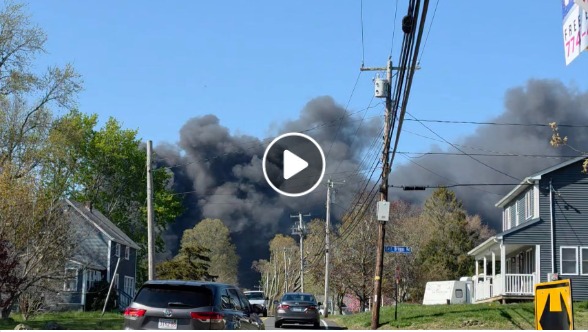
Paris Fire Today: Soaring Temperatures Trigger Early Wildfire Crises Across France
A wave of extreme heat sweeping across France has raised serious concerns as soaring temperatures contribute to early wildfire outbreaks in several regions, including heightened alerts around the Paris area. While the capital itself is not the epicenter of large-scale fires, the broader Île-de-France region and surrounding countryside are experiencing elevated fire risk conditions, prompting emergency preparedness measures and increased vigilance from authorities.
Heatwave conditions fuel fire risk
Meteorological services have reported unusually high temperatures for this time of year, with prolonged heat combined with dry air and low rainfall creating a dangerous environment for vegetation. Fields, grasslands, and forested areas surrounding Paris and northern France have become increasingly susceptible to ignition.
Fire officials warn that even small sources—such as discarded cigarettes, machinery sparks, or unattended open flames—can rapidly escalate under current conditions. The combination of heatwaves and dry winds has significantly reduced soil moisture, leaving vegetation highly flammable.
Early wildfire outbreaks across regions
Although France is more commonly associated with wildfire activity in southern regions such as Provence and Corsica, this year’s early heat has pushed risk zones further north. Reports indicate multiple small to medium-scale fires have already broken out in rural areas outside major urban centers, requiring rapid intervention from firefighting teams.
In some cases, fires have spread quickly through agricultural land and dry brush, forcing temporary road closures and localized evacuations. Fire crews have been deployed across affected departments, using both ground units and aerial support to contain flare-ups before they expand into larger wildfires.
Emergency response and national coordination
French civil security authorities have placed regional fire services on heightened alert, particularly in areas surrounding dense population corridors like Île-de-France. Firefighters are working extended shifts, and additional resources have been pre-positioned in high-risk zones.
Aerial firefighting aircraft, including water bombers and helicopters, have been placed on standby to respond to fast-moving incidents. Coordination between local prefectures and national emergency services has been intensified to ensure rapid deployment if fires threaten residential or industrial areas.
Officials are also closely monitoring transportation infrastructure, as smoke from nearby fires can reduce visibility on highways and rail lines leading into and out of Paris.
Public warnings and safety measures
Authorities have issued public advisories urging residents to avoid outdoor burning, limit high-risk activities in forested areas, and remain cautious during outdoor recreation. Campfires, barbecues in open natural spaces, and agricultural burning have been restricted in several departments.
Residents are also encouraged to stay informed through official weather and emergency alerts, as fire conditions may change rapidly depending on wind shifts and temperature spikes. Emergency services have emphasized that early reporting of smoke or fire sightings is crucial to preventing larger outbreaks.
Climate concerns and long-term outlook
Experts note that the early arrival of extreme heat conditions reflects broader climate trends that are increasing the frequency and intensity of wildfire risks across Europe. France has experienced several significant wildfire seasons in recent years, particularly in the south, but rising temperatures are expanding the risk zone northward.
Meteorologists caution that continued dry weather could prolong the current fire risk period, potentially extending it deeper into the summer months. Without sustained rainfall, vegetation will remain dry and vulnerable to ignition.
Outlook for the coming days
Forecasts suggest that temperatures may remain elevated in the short term, maintaining pressure on emergency services and increasing the likelihood of additional fire outbreaks. Authorities continue to monitor conditions closely and stand ready to respond to any escalation.
For now, France remains on heightened alert as the combination of heat, dryness, and wind creates a volatile environment, underscoring the growing challenges posed by early and widespread wildfire risks even in regions not traditionally associated with severe fire activity.