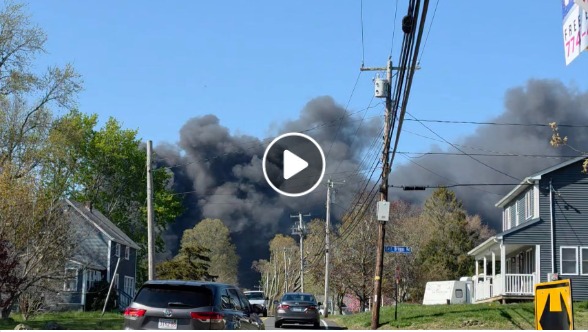
Ouray Fire Today: Gold Mountain Fire Explodes to 24,000+ Acres, 0% Contained Near Highway 550
Rapid Expansion in Southwest Colorado
A fast-moving wildfire known as the Gold Mountain Fire has surged across thousands of acres in southwest Colorado, prompting urgent firefighting efforts and heightened concern for nearby communities. As of the latest updates, the blaze has grown to more than 24,000 acres with no containment reported, driven by dry conditions, steep terrain, and shifting winds.
The fire is burning in rugged mountainous terrain near U.S. Highway 550, a critical corridor that connects several small towns and serves as a major route through the San Juan Mountains. Authorities have issued warnings for drivers to avoid the area as smoke, reduced visibility, and emergency vehicle traffic continue to create hazardous conditions.
Fire Behavior and Challenging Conditions
Fire officials report that the Gold Mountain Fire is exhibiting extreme fire behavior, including rapid uphill runs and spot fires caused by wind-blown embers. The combination of low humidity, high temperatures, and dense vegetation has allowed the fire to spread quickly across remote forested slopes.
Crews on the ground are facing significant challenges due to the terrain, which limits direct access in many areas. Firefighters are relying heavily on aerial support, including helicopters and air tankers, to slow the spread and protect key infrastructure. However, strong winds have periodically grounded aircraft, further complicating suppression efforts.
Evacuations and Public Safety Measures
Local authorities have issued evacuation orders and pre-evacuation alerts for multiple nearby communities and rural properties. Residents in affected zones have been urged to leave immediately and to follow designated evacuation routes to ensure safety.
Emergency shelters have been set up in nearby towns to accommodate displaced residents, while law enforcement continues to assist with road closures and traffic control. Officials have emphasized that conditions can change rapidly, and residents outside current evacuation zones should remain prepared to leave if necessary.
Impact on Transportation and Infrastructure
The proximity of the fire to Highway 550 has created major disruptions for transportation across the region. Sections of the highway have been temporarily closed or placed under escort travel only, depending on fire activity and visibility conditions.
Smoke from the blaze has drifted across valleys, reducing air quality and creating hazardous driving conditions well beyond the immediate fire zone. Travelers have been advised to check for real-time updates before attempting to navigate through the region.
Firefighting Efforts Intensify
Hundreds of firefighters from multiple agencies have been deployed to combat the Gold Mountain Fire. Teams are working around the clock to establish containment lines, protect structures, and monitor fire behavior as conditions evolve.
Incident commanders have noted that while containment remains at 0%, strategic priorities include slowing the fire’s advance toward populated areas and safeguarding critical infrastructure such as communication lines and transportation routes.
Additional resources from neighboring states may be requested if conditions continue to worsen or if the fire expands further into difficult terrain.
Community Impact and Ongoing Threat
The wildfire has had a significant impact on surrounding communities, many of which rely on tourism and seasonal activity in the region. Local businesses have reported disruptions, while residents remain on high alert as evacuation notices continue to expand.
Officials are urging the public to avoid wildfire zones entirely and to respect all closures and emergency instructions. Fire conditions in Colorado’s mountain regions can shift rapidly, and even previously safe areas may become threatened within hours.
Situation Developing
As of now, the Gold Mountain Fire remains uncontained and continues to burn aggressively near Highway 550. Fire crews are making incremental progress in limited areas, but suppression efforts are expected to continue for days or potentially weeks depending on weather conditions.
Authorities will continue to provide updates as new information becomes available. For now, the focus remains on protecting lives, securing evacuation zones, and preventing further spread of one of the region’s most significant wildfire events this season.